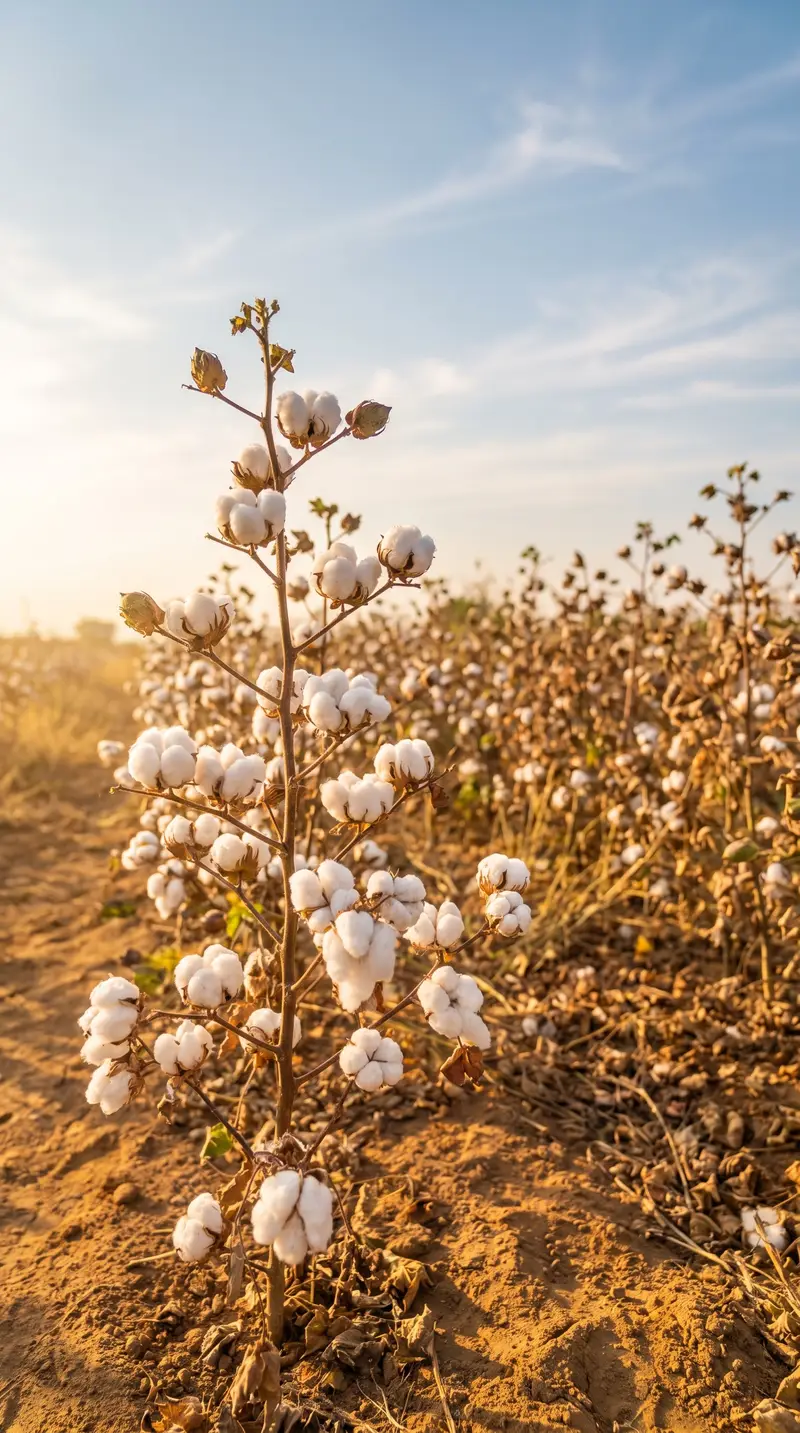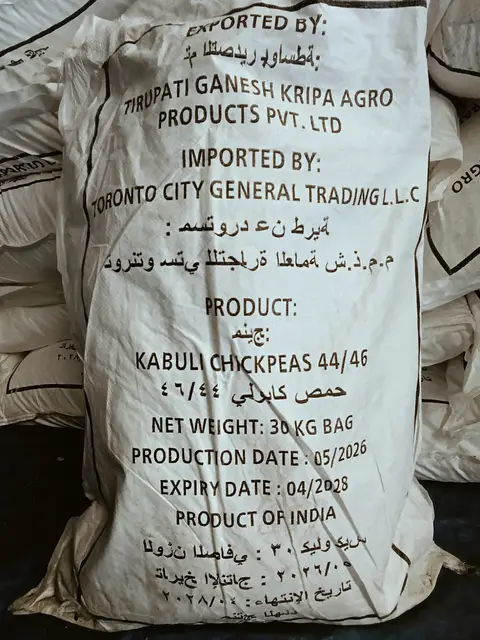
Starting fibrous loads processing starts with ginning the strand isolated from the seed. Those pips, constituting a significant portion of the initial commodity, are then delicately broken to extract treasured oil. This lipid separation demonstrates mechanical pressing followed by solvent cleansing, commonly employing hydrocarbon hexane. The remaining material, once oil-rich, transforms into the essential seed residue. Further upgrading phases – featuring degumming, bleaching, and deodorizing – generate a digestible seed meal, frequently utilized as domestic feed or even as manufacturing inputs across various sectors. This complete framework exemplifies how formerly discarded matter can be metamorphosed into a valuable and highly practical ingredient.
Maximizing Gains through Seed Residue: Outside of Farm Nutrition
Commonly, cottonseed has been primarily considered a ingredient for livestock feed, but continuously innovative approaches reveal much broader prospects. Exploring uses such as conversion into eco-friendly fuel yields new chances to generate extra income streams and decrease environmental burden. Further, research uncovers variants in eatables, such as protein isolates and flours, although regulation and safety guidelines remain critical. Creating value-added outputs like exclusive oils or employing cottonseed hulls for composting offers remarkable economic benefits. Here's a preview into impressive options:
- Alternative energy types: Conversion of cottonseed oil to biodiesel.
- Consumer goods: Utilizing protein isolates and flours in processed foods.
- Terrain upgrading: Employing hulls for biochar or soil conditioning.
- Business operations: Extracting valuable compounds for various industries.
Delicate Rice & Fiber Farming: Renewable Co-existence Strategies
Customary production of basmati rice and cotton yield in numerous regions poses substantial struggles, especially regarding water supplies and pest control. Finding strategies for their sustainable harmonious development grows increasingly crucial. A multifaceted approach is essential, incorporating forward-thinking farming methods that minimize environmental impact and boost productivity for both crops. This entails encouraging drought-tolerant crop breeds alongside precision irrigation, such as drip or sprinkler methods. Furthermore, integrated pest management (IPM) – adopting biological control and reducing dependence on chemical sprays – benefits both the rice plants and the fiber production. Conclusively, collaboration among farmers, scientists, and policymakers remains vital to forge a resilient agricultural system that supports these two economically valuable commodities while conserving precious natural assets.
- Trim liquid use.
- Apply integrated pest management.
- Support the adoption of drought-resistant varieties.
- Aid farmer training and knowledge sharing regarding sustainable practices.
Tomorrow of Cotton Bale Trading in a Fluctuating Market
The changing landscape of cotton bale exchange confronts substantial challenges amid today's erratic market. Changes in worldwide market appetite, worsened by commercial uncertainty and logistics interruptions, are altering customary approaches. Anticipated is a expanding focus on digitization and immutable logs solutions to raise accountability and streamlining. Family-owned farms must realign by refining risk intervention measures, possibly leveraging forward contracts and alternative financing avenues. In summary, cotton bale trading's future rests on the ability of industry actors to steer this complex terrain with agility and commitment to sustainable practices.
- Enhanced price discovery via real-time data analytics
- Increased use of smart contracts for streamlined transactions
- Spotlight on sustainability reporting to satisfy consumer demands.
Cottonseed Meal: Nutritional Virtues for Farm Robustness
Cottonseed meal, a residue of cotton creation, provides significant dietary merits for various livestock species. This compound is notably rich in proteinaceous content, typically ranging widely, making it a advantageous supplement, especially for ruminants like bovines.
- Offers essential proteins for muscle growth and overall development.
- Can be a more balanced diet ingredient when integrated strategically.
- Habitually employed as a partial or full replacement for other protein sources like soybean meal, reducing cultivation expenditure.
Recognizing the Level and Value of Cotton Bales
Assessing the tier of cotton bales is crucial for cotton seed supplier India processors. Several factors modify a bale's price, like fiber length, strength, coloration, and presence of non-fiber items. Rating methods like those set by the USDA offer a scheme for rating those traits, typically shown via numbers and letter codes.
- Fiber Length impacts fabric quality.
- Resilience correlates to fabric resilience.
- Tone affects aesthetic appeal.
Basmati Rice Production: Elevating Output and Head Length
Refining premium long-grain rice generation depends on strategic management of vital variables. Obtaining ideal collections and characteristic long kernels demands attention to subsoil richness. This involves ensuring adequate irrigation, employing suitable growth boosters, and choosing superior rice cultivars. Additionally, utilizing refined growth management like controlled collecting timing and improved post-harvest preparation notably influence both total output and the preferred kernel magnitude. Research into novel, more effective approaches, especially regarding hydric economy, is ongoing to sustain basmati rice production and improve its global status.
Moving from Seed to Dining: The Progression of Cottonseed Oil & Meal
The production of cottonseed oil and meal is an intriguing transformation, commencing with the reaping of cotton plants. After fluffy fibers are separated, the seeds themselves are rendered to release their oily kernel. This kernel then undergoes pressing or solvent extraction to yield valuable cottonseed oil, a widely employed cooking oil and ingredient in numerous foods. The residue afterward – the seed cake – becomes cottonseed meal, a protein-rich feed crucial for livestock, poultry, and aquaculture. Essentially, what was once discarded as agriculture byproduct is now carefully refined to provide both nourishing food products for humans and vital nourishment for animals, illustrating a remarkable example of agricultural resourcefulness.
Tying Staples, Rice, and Agricultural Markets: A Report
Current intricate relationship between raw material production, cereal cultivation, and the overall health of pastoral enterprises is vividly depicted by a examination in the [Region Name]. Traditionally, these two crops have stood as pillars of the local commerce, delivering both sustenance and income to numerous farming families. Volatility in fiber output prices – often influenced by global trade dynamics – directly impact farmer purchasing power, affecting their ability to invest in kernels seed or other inputs, thus influencing yields and overall food security within the country zone. Conversely, a poor crop harvest can force farmers to allocate more land to cotton as a commercial crop, potentially diminishing dietary variety and heightening vulnerability to market shocks. The interdependence underscores the necessity for integrated agricultural policies fostering diversification, resilience, and equitable resource access within these connected farming communities.