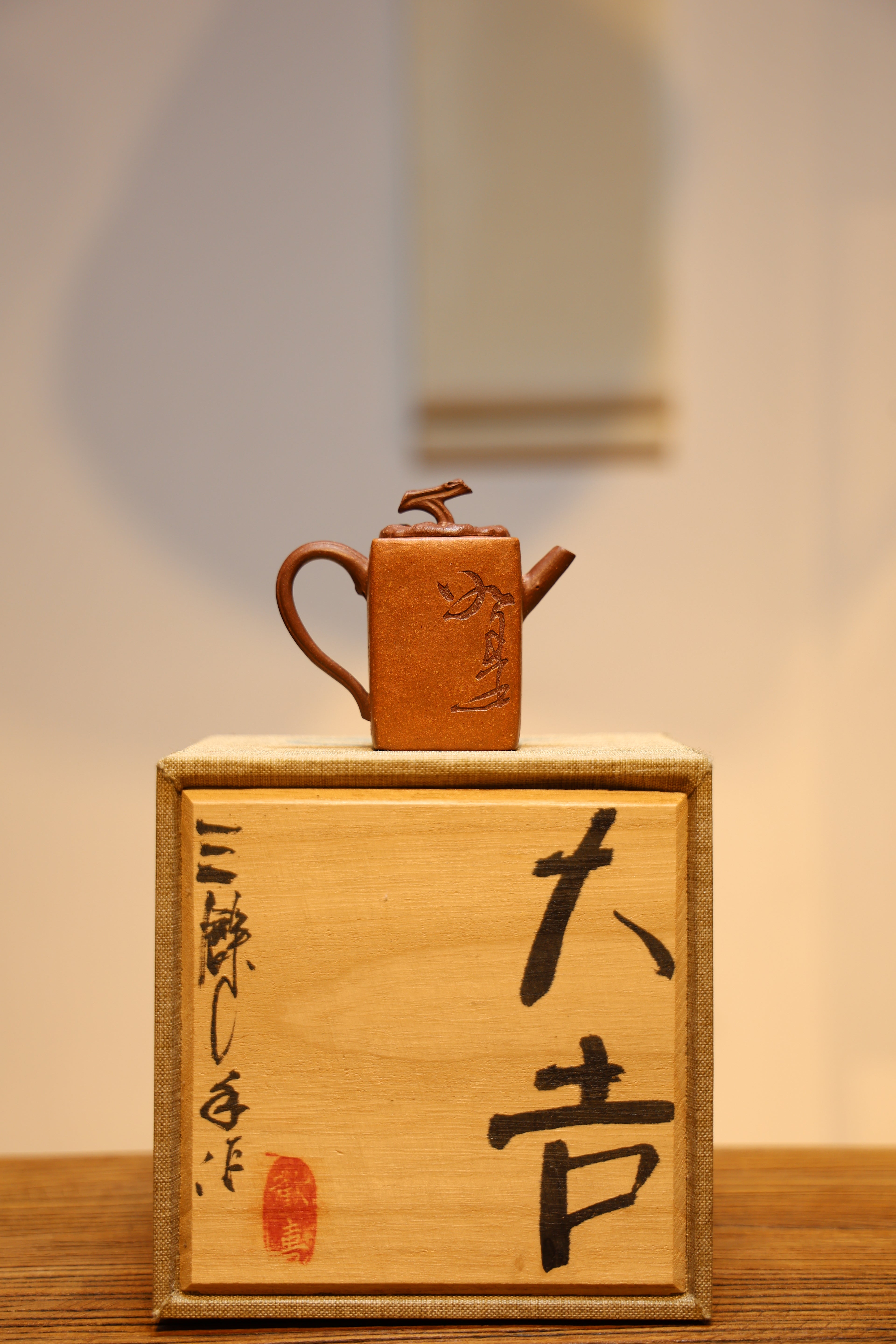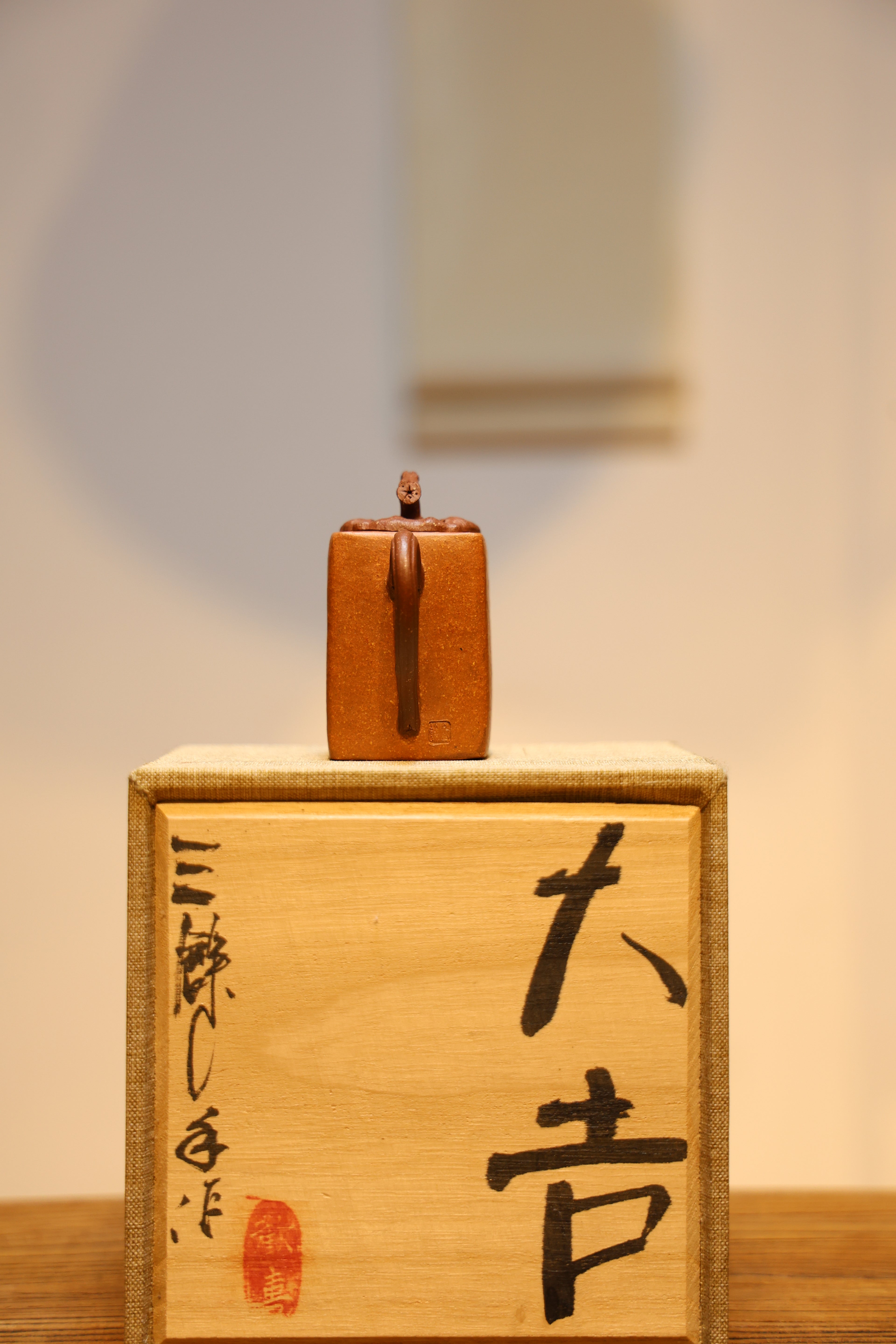
Sustained legacy establishes Chinese mugs around epochs,
Reflecting exclusive properties derived through homegrown lavender substances, such jars build up a glow amid employment, refining bouquet released from infused beverages.
Understanding Yixing Soil: Thorough Insights into Zisha
Numerous enthusiasts acknowledge the unparalleled fabric of Yixing amethyst clay, a keystone of heritage Chinese teaware. Emerging from the Yixing region of Jiangsu province, this rare clay demonstrates an refined mineral blend, whichever provides outstanding qualities to the manufactured objects. Kinds within Zisha, including Purple Mud, Duan Ni Mud, and Jiang Xi Mud, each offers particular tints, consistencies, and baking traits, shaping the absorption and the conclusive flavor maturation of the drink.
Far Eastern Teapot Usages: Discovering Craftsmanship
Celestial teapots embody surpassing mere holders for concoction; they represent centuries of customary expertise. From the classic Yixing clay variations, respected for their ventilated nature which conveys unique aromas to the liquid, to the graceful porcelain from Jingdezhen, each piece expresses a history of effort. The crafting process is an methodical pursuit, often transferred through clans of craftsmen. These artists use traditional procedures such as hand-building, molding on wheels, and refining, demonstrating profound reverence for the substance and the skill itself. Ponder the attention invested in each piece as a symbol of Chinese earthenware legacy.
- Southern pots: a renowned choice.
- Refined china teapots: known for their fine design.
- Sculpting techniques: a difficult yet fulfilling procedure.
Jiangsu Purple Teapot Protection: Sustaining Your Prized Possession
Optimal maintenance of your unique Yixing Zisha flask is vital to maintaining its durability. Crafted from distinct purple sand dirt, these first-rate teapots develop a complex patina after practice, significantly boosting their allure. Eschew solvents; a easy rinse with warm solution is appropriate. Never very warm water for scrubbing the teapot, as it may break down its makeup. Allow it to air dry away from strong daylight. Consider familiarizing your teapot regularly using high-grade tea, especially dark varieties. Here is a brief overview:
- Swill with comfortably warm water.
- Refrain from cleaners.
- Enable it to become free of moisture.
- Familiarize with select tea.
Beginnings of Yixing Teapots: Foundational Periods
The record of Yixing teapots arises modestly during the Ming dynasty, around the 16th century. Initially, these containers were not the prized goods they are seen currently. They were made by regional potters using the unique purple clay discovered solely in the Yixing vicinity. These early creations were primarily utilitarian, designed for daily use and often simple in composition. It was not until the posterior dynasty that they opened to earn honor beyond mere serviceable objects.
Opting For the Proper Zisha Pot: A Starter's Overview
Navigating the universe of Yixing teapots can be challenging, but avoid concern! For novices, the critical factor is understanding the dirt. Legitimate Yixing clay is prized for its permeability, allowing the teapot to capture the tea's tone over time, amplifying every making session. Reflect on the form; traditional curved shapes prevail, yet unique preferences hold sway. Lastly, inspect the texture—while some favor an uncooked appearance, others favor a subtle gloss. Take your time in the purchase process—this is an procurement in a valued piece of production.
Fine Clay Pots and Their Influence on Chinese Concoction Heritage
Zisha teapots, born from Yixing, China, have profoundly transformed traditional Chinese concoction culture. These Yixing clay teapots, prized for their recognizable pigment, feel, and exceptional ability to impart a subtle note to the infusion, symbolize more than mere receptacles; they are valued pieces of art and symbols of renown. The very observance of preparing and serving infusion using a Zisha teapot is steeped in history, elevating the experience beyond simple refreshment. Dynasties of artisans have honed their techniques, passed down through tribes, resulting in highly coveted pieces. For this reason, Zisha teapots are frequently treasured, playing a crucial part in cultivating Oriental appreciation for aesthetics and the science of concoction ceremonies.
- Special Clay Composition
- Adding Subtle Flavor
- Elegant Craftsmanship
Confirming Real Sought-After Eastern Jars
Acquiring a certified Yixing teapot can be a gratifying experience, but the field is often swamped with fakes. Detecting between a legitimate antique and a up-to-date reproduction requires thorough inspection. Key markers include the clay's coppery Yixing Zisha Teapot shade, often displaying striped marks, and the shortage of modern firing imprints. The design should reveal natural grace, reflecting the traditional Yixing approach. Finally, checking the maker's seal is fundamental to verify authenticity against known citations.
- Assess the clay's fabric.
- Look for imperfections, indicative of custom quality.
- Employ an expert for authentication.
Obtaining Native Teapots: A Detailed Reference to Earthenware Awareness
The market of Eastern Zisha containers grants a significant circumstance for discerning investors. Growing, the cost of these bespoke artifacts is contingent by numerous variables, such as the category of Zisha, the expertise of the potter, the cultural importance, and, naturally, the ongoing demand. Novices should prioritize on researching the several kinds of Zisha clay—such as Glacial, Quiet Jug, and Crimson Soil—and studying the traits linked to each. Diligent review of the pot's form, hue, and seal is also mandatory to make educated evaluations when investing.